
Highlights
  • In 2026, AI tools like ChatGPT and Perplexity drive more zero-click searches, with approximately 60% of US searches now concluding on the results page itself without website visits.
  • Branded queries now influence SEO rankings more than backlinks or keywords. Google's 2025 branded filter update confirmed that brand mention volume across platforms including TikTok and Reddit directly impacts authority.
  • E-E-A-T (Experience, Expertise, Authoritativeness, Trustworthiness) is crucial for high rankings. Google values named authors and external validation such as real customer reviews.
  • Search engines use multi-platform signals from YouTube, forums, and social channels to decide authority, making consistent messaging everywhere essential for Hawaiian brands.
  • Marketers must measure new KPIs, like AI tool citations and branded query volume, instead of relying only on traditional website click-through rates.
SEO Evolution and AI Impact

For business owners in Hawaii, this is more than a statistic. It's a wake-up call. The good news? There's a clear path forward. This guide to SEO Trends 2026 explains what's happening, why branded visibility now matters more than backlinks, and the simple shifts you can make to stay competitive as search evolves.

SEO Evolution and AI Impact

AI-powered systems are changing how search engines process and rank content. This makes SEO strategy more complex than traditional methods.

New tools like large language models and AI-driven answer engines shape search behavior, forcing marketers to rethink optimization techniques for organic growth.

How is the SEO landscape changing?

User searches now often start on AI tools like ChatGPT, Gemini, and Perplexity instead of classic engines such as Google. ChatGPT alone reached 800 million weekly active users by October 2025, up from just 200 million in August 2024.

Many people get answers from AI-generated summaries or overviews. They never visit an actual website.

Traffic is more fragmented as users move across platforms without sticking to a single site for information. In 2026, branded queries have become key SEO signals. Their volume can matter even more than backlinks or keywords.

Sites with exhaustive coverage are thriving while those with generic content struggle.

Trusted sources recognized by generative systems outrank sites relying on traditional link-building alone. Local searches like "best poke bowl near me" surface immediate results over legacy organic listings due to strong user intent. Brand mentions and citations in AI responses now measure success alongside ranking positions in the SERPs, pushing marketers to rethink their optimization efforts for this new AI-driven era.

How does AI affect search behavior?

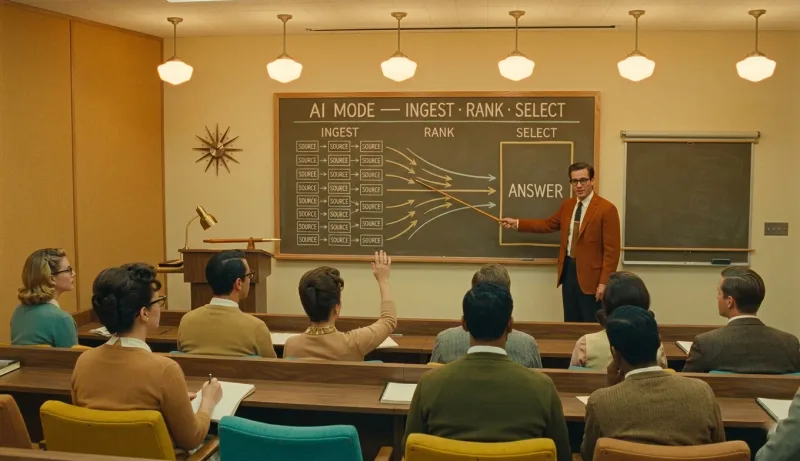
AI is changing how people find answers online. Tools like ChatGPT, Gemini, and Perplexity now give quick direct responses.

This means more users get what they need without clicking through to websites. This shift is causing a rise in zero-click searches and lowering traffic from traditional search engines.

According to Bain & Company research, about 80% of consumers now rely on zero-click results in at least 40% of their searches. AI systems use advanced models like large language models (LLMs) to filter information fast, so the few clicks that do happen usually come from visitors with clear intent.

Trusted brands gain an edge because AI-generated summaries often feature well-known names first. Search engines today also track brand mentions on social platforms such as TikTok or insights shared by real people across different channels. Content not easily replaced by AI holds more value, while keyword stuffing or weak technical SEO falls behind.

For Hawaii businesses using strategies by experts like nekko digital or other strong seo agencies, adapting content for multi-platform visibility can improve results in the new ai era of digital marketing and organic search.

Key Trends in SEO for 2026

Fresh changes are shaping search engine optimization. Staying alert to these trends helps keep your strategies competitive and your online presence strong for 2026.

What is AI search and how does fragmented traffic affect SEO?

AI search uses generative AI tools like ChatGPT and Perplexity to answer questions directly. It often shows results without sending users to websites.

Google still dominates. But now many searches are completed on platforms using ai mode or zero-click summaries.

This shift means fragmented traffic is more common. People might start searching on TikTok, use a third-party tool for an ai overview, then finish by asking another platform. Market share is no longer just about traditional SEO rankings. Clicks that do come through tend to have higher intent since AI models filter out irrelevant results and serve only precise answers from trusted sources.

Search engine optimization must now focus on structured data, schema markup, and e-e-a-t signals. This way content can be referenced in ai-generated answers across platforms. Business owners in Hawaii should optimize for branded queries and support seo professionals in making original content machine-readable for both discovery and credibility.

Discovery has gone decentralized as users hop between platforms without ever reaching your website.

How are AI tools used for direct answers?

AI assistants like ChatGPT, Gemini, and Perplexity deliver direct answers by scanning the web for reliable sources. They often pull summaries right into search results.

Users do not have to visit a website for basic details. This shift can lower organic CTR since people get their answers fast from Google AI Overviews or other engines that use ai overviews and ai summaries.

According to SEO.com's 2026 analysis, AI Overviews currently appear in 26% of queries, mostly informational. These tools mix information from many places, picking data from sites with strong authority and trust signals. If they suggest a site, it often means the content shows expertise and credibility.

As branded queries grow more valuable in seo trends for 2026, sites need to build topical authority with quality content. That is how AI decides which brands or agencies deserve those few but vital user clicks.

What does decentralization of discovery mean for SEO?

People no longer start every search on Google. Now, users explore TikTok, YouTube, forums like Reddit, and even AI chatbots for answers.

This spread fragments user journeys across many platforms. Gen Z often trusts social proof from influencers or UGC over standard websites. According to Semrush, nearly 35% of Gen Z people in the U.S. now use AI chatbots to search for information.

AI tools today scan cross-platform signals to measure expertise and trustworthiness. Your brand's mentions in videos or forum threads matter as much as your website content. Brands must keep a strong presence everywhere their audience spends time.

Maintaining consistent messaging on video sites, social media feeds, or online communities boosts branded searches and branded search volume, not just clicks on blue links via Google. Search engines use all these touchpoints to rate authority better than before 2025. This shift means focusing your efforts beyond keyword research or basic internal linking. Now you need multi-platform optimization so people can find you whether they scroll TikTok at lunch or watch product videos after work.

Why is there a shift from traditional click-driven traffic?

AI-generated answers now satisfy many queries right on the search page. Users often get what they need without clicking through to websites.

This trend is clear in zero-click searches. Organic search traffic drops because platforms like Google and emerging AI engines deliver direct responses or featured snippets.

Brands must focus more on building visibility and authority. Clicks are no longer the only way customers find information. AI systems value brand mentions, trust signals, and citations over simple keyword rankings. Search tools prefer recommending familiar brands rather than unknown sources.

Marketers now track new KPIs like AI citations and cross-platform performance instead of just monitoring click-through rates from traditional sources. Traffic from non-Google channels is also growing. Conversions rely more on experience, expertise, authoritativeness, and trustworthiness (E-E-A-T) than before.

How can you adapt your SEO strategy for AI-driven search?

AI-driven search has changed how users find answers and how brands gain visibility online. Adapting your SEO strategy is key to standing out in this new landscape.

  1. Focus content creation on unique data, original research, and personal insights only your team can provide. Skip generic information that AI tools like Google SGE or Perplexity can easily summarize.
  2. Build authority for your brand using tools like SEO SpyGlass and Awario to track mentions, influencer partnerships, and signals of trust across channels outside your website.
  3. Structure content for quick synthesis so AI-generated answers can pull clear facts. Use defined sections, logical flow, and concise conclusions supporting key decisions.
  4. Shift SEO success metrics from just organic clicks to also include AI tool citations, branded queries, non-branded conversation rates, and references from platforms beyond Google Search.
  5. Monitor if targeted keywords show up in Google AI Overviews or other generative engine snapshots in 2026. Adjust keyword targeting based on actual SERP behavior rather than assumptions.
  6. Boost topical authority through deep content clusters built around core topics related to your company's expertise. Connect these pieces together with strong internal links for clarity.
  7. Refresh top-performing pages often with newly sourced statistics or clearer visuals. Keep them relevant so both users and AI sources see you as a credible resource for user behavior changes.
  8. Expand search visibility by distributing content across multiple platforms including YouTube videos for best-performing product or service highlights. This way users can discover you wherever they search.
  9. Strengthen E-E-A-T signals by showcasing your Hawaii-based experience, leadership roles, industry certifications, and positive client feedback throughout your site.
  10. Increase branded query presence by promoting campaigns that make customers more likely to click directly on your business name. Leverage marketing agency networks to spark organic buzz about what makes you stand out locally in Hawaii.

Why is E-E-A-T essential for SEO success?

E-E-A-T stands for Experience, Expertise, Authoritativeness, and Trustworthiness. It serves as a gatekeeper for top search rankings in 2026.

Google and other search engines measure these factors closely. Pages showing strong ownership adapt better to sudden core updates.

Articles with named authors who are actual practitioners outperform anonymous or generic pieces every time. Search engines now value the identity of an author almost as much as the content itself. AI content can summarize facts but cannot replicate human problem-solving or practical know-how. Only real expertise convinces algorithms and users alike.

For business owners in Hawaii partnering with an SEO agency or creating geo-targeted content, visible experience boosts your credibility fast. Without external validation like positive reviews or cited sources, even well-optimized pages will struggle to rank high on AEO platforms such as Google SGE or Bing AI results pages. Sites that make trust clear get more visibility across all major GEO results and keep their position even after big algorithm changes hit the market.

What roles do experience, expertise, authoritativeness, and trustworthiness play?

Experience means showing you have hands-on, real-world involvement with the topic. Google's quality rater guidelines, updated in late 2022 to add the first "E," emphasize that a health blog authored by a patient sharing their own treatment journey will often be seen as more trustworthy than a generic summary written by an outsider.

Expertise is about your knowledge and skill. You win trust by explaining complex topics clearly, accurately, and in a way that makes sense.

Authoritativeness comes from being recognized as a go-to source in your field. The more you position yourself as a trusted expert, the more authority Google will attribute to your content. External validation stands out. Genuine reviews or mentions by trusted names help more than just saying you are an expert yourself.

Trustworthiness focuses on how credible your content and website are overall. According to Google's Search Quality Rater Guidelines, "Trust is the most important member of the E-E-A-T family." Without trust, experience and expertise become less relevant in AI citation decisions. Structured data lets platforms like Google understand who wrote the text. This simple addition increases visibility for businesses in competitive areas such as Hawaiian tourism or healthcare marketing.

How can you improve content credibility effectively?

Clear signals of credibility help your SEO efforts and keep users coming back. Strong content trust leads to more top-of-funnel visits and better rankings on search engines like Google.

  1. Display author identities with full names, clear credentials, and professional photos for every article or video. This is fundamental for expert topics like finance, health, or cybersecurity.
  2. Add an "About the Author" section that highlights experience, education, such as an MBA from Hawaii Pacific University, or relevant certifications in areas like computer science or digital marketing.
  3. Use schema markup to structure data and show both the author's profile and company background to search engines. Tools like Google's Structured Data Markup Helper make this easy.
  4. Show practical lessons learned through real examples, sharing honest mistakes or challenges from past campaigns on platforms including YouTube, Facebook, or local Hawaiian brands.
  5. Incorporate external validation such as quotes from subject matter experts or positive customer reviews. Public reviews hold significant weight with users and search algorithms alike.
  6. Use original visuals: include screenshots of analytics dashboards, custom images of your team at events in Honolulu, or snippets from video interviews for authenticity.
  7. Monitor brand mentions across news websites, business directories, and social networks using tools like Brand24. Engage directly with reviewers to reinforce trustworthiness in real time.
  8. Keep content updated with current statistics, such as 2026 Hawaii digital market trends, and cite reputable sources. Outdated information can hurt both credibility and rankings fast.
  9. Focus on branded queries by positioning your company around a specific solution (example: "cybersecurity services for Oahu businesses") so people search you by name instead of generic terms.
  10. Expand visibility across multiple formats. Write blogs, create videos for your best-performing posts on LinkedIn or Instagram Stories to reinforce authority everywhere your audience searches.

Why are branded queries becoming more important?

In 2026, search engines and AI tools, such as Google Search and Bing ChatGPT, have raised the value of branded queries. People now include brand names in their searches more often.

This habit signals real intent to connect with trusted sources instead of random links or generic keywords.

As a result, brands that show up in these direct queries gain clear authority and higher rankings across both branded and non-branded terms. Branded demand now beats backlinks as an SEO signal because it points to genuine consumer interest from multiple touchpoints, including PR campaigns, influencer partnerships, events, or social mentions.

Google's March 2024 algorithm leaks showed that the search engine specifically rewarded sites with strong brand signals. Sites that people actively searched for by name, discussed in communities, and recommended to others received preference. Hawaiian businesses who built clear brand positioning around key services saw higher rankings after consistent brand mention growth.

Tools such as SEMrush track these mentions, both linked and unlinked, to measure impact on your SEO. AI-powered searches increasingly pick up on brands with a steady presence across platforms, raising their content above others in results. As AI recommendations favor more familiar names, investing time in strengthening branded queries has become essential for better ranking success.

What strategies enhance brand presence in search?

A strong brand presence in search brings more trust and better rankings. Hawaii companies can stand out by using key strategies that combine content, branding, and local connections.

What strategies enhance brand presence in search?
StrategyAction
Multi-channel messagingShare consistent brand messages on Google, Facebook, Yelp, LinkedIn, Instagram, and YouTube
PR integrationConnect public relations, partnerships, and real-world events with SEO efforts to boost branded demand
Community engagementTake part in community talks on Reddit, TripAdvisor forums, or Maui visitor groups

Track every mention of your company online, including those without links, then engage with these discussions to build credibility. Use clear messaging and visual themes so both users and artificial intelligence tools like Google's Gemini recognize your business instantly.

Share local customer reviews and expert opinions to gain outside validation for your products or services. Position your brand around a unique solution or idea to strengthen search association. Hawaii's tourism industry often succeeds using this approach.

Keep business info up-to-date everywhere. Google Business Profiles must match what visitors find on your website or Facebook page. Publish engaging articles featuring native-themed visuals and stories since authentic content improves recognition by AI-driven search engines like Perplexity AI or ChatGPT plugins. Watch analytics for increases in branded searches during campaigns so you know which efforts drive growth in visibility across all platforms.

How does multi-platform optimization influence SEO?

Multi-platform optimization helps your brand show up in many places where people search, not just Google. Users in Hawaii now jump between YouTube, TikTok, and community forums for answers.

Tools like ChatGPT and AI assistants use cross-platform signals to pull information from videos, posts, discussions, and branded mentions into their answers.

According to a study by NeuronWriter, over 40% of Gen Z uses TikTok and Instagram for search instead of Google. If your business gets mentioned on both TikTok and a popular local forum this month, those signals can boost how often you appear in AI-generated responses or Google's new summary boxes.

Matching content types across channels strengthens your brand's authority. Post long-form guides on your website. Share quick tips on Instagram or Facebook. Answer questions directly on Reddit or product review pages.

This approach builds steady engagement over time since users interact with different formats depending on where they are searching. Signals from active communities add trustworthiness to your site and help reinforce expertise, key parts of E-E-A-T for higher search rankings today. Consistent messages across platforms make it easier for people and smart algorithms to recognize and favor your business wherever they look online.

How do search engines evaluate content across platforms?

Search engines, like Google and Bing, track brand mentions and topic discussions on social media, forums, and review sites. Their algorithms scan for signals like user engagement, unlinked brand mentions, and consistent messaging across channels.

AI systems also check if your content shows up in expert discussions or gets cited by others online, on places like Reddit or Quora.

According to Herdl's analysis, Reddit threads appeared 191% more frequently in Google search results throughout 2024. Pages with clear ownership details or authored by real practitioners gain higher trust in search results. Consistent brand presence strengthens recognition and builds authority.

Tools such as Google Search Console help monitor how content performs across platforms. AI-driven systems analyze how well you cover related topics using external references from trusted sources. Brand queries that appear on community threads or social networks signal credibility to search engines. These are tracked even without direct links to your site. Engaging with outside communities increases the chances that AI-generated summaries will feature your brand or insights prominently within their answers.

What are the best practices for optimizing content on multiple platforms?

Content must work hard across all major platforms. Business owners in Hawaii can see real growth with the right steps.

  • Target YouTube searches with specific queries, strong titles, and optimized tags. Video is a top choice for local users and tourists researching Hawaii.
  • Share variations of your story as long-form posts, short-form snippets, and community questions to expand reach while reinforcing expertise.
  • Keep brand visuals, tone, and messaging steady everywhere. This includes website, Instagram, LinkedIn, and Google Maps to build familiarity people trust.
  • Take part in conversations on groups like Reddit or TripAdvisor forums connected to Hawaii interests to boost credibility and connect with both locals and visitors.
  • Use text posts, quick videos about Hawaiian business tips, carousels showing projects or events, plus FAQs, all from one campaign idea, to increase chances of being featured in AI results or Google snippets.

Watch brand mentions on Yelp, local blogs, or review sites. Reply quickly to feedback for instant impact on reputation signals used by search engines. Track your content's mentions across web pages and AI-generated answers instead of relying only on website click counts. This shows how you appear in voice results or ChatGPT responses.

Apply schema markup for articles and videos so Google and Bing can better understand your content's context across each platform. Connect social profiles to websites using the same contact details for higher authority signals in search rankings globally, including Hawaii's niche markets.

Conclusion

SEO in 2026 is not just about chasing rankings. It's about building trust and visibility across Google Search, YouTube, TikTok, and social media.

Brands that focus on user experience, strong E-E-A-T signals, and a clear voice will stand out in AI-driven search results. Adapting to direct answers from AI assistants takes creativity and effort, but it opens new ways to reach your audience.

Hawaii businesses can win by staying visible wherever their customers look for information or inspiration. Keep learning as SEO evolves with artificial intelligence. The rewards are worth it.

FAQs

What are the top SEO trends to watch entering 2026?

In 2026 the top SEO trends emphasize semantic understanding, llm-driven content evaluation, improved core web vitals performance, and AEO-like (answer engine optimization) strategies. SEOs should prioritize user intent, structured data, and faster page experiences to compete with larger companies and boutique players such as pooky brand who pivot quickly. Integrating SEO and content teams and monitoring crawl behavior remain essential to maintain visibility and healthy conversion rates.

How will trends for 2026 change how sites approach AEO and answer-focused content?

Trends for 2026 push AEO from experimentation to a core part of search strategy: producing concise, authoritative answers with schema, FAQs, and knowledge-panel-friendly assets. LLMs and search engines increasingly reward content that directly satisfies queries, so teams offering AEO services in Hawaii should combine local GEO expertise with structured answers to capture featured snippets and voice results, improving click-through and conversion rates.

Why should local businesses consider GEO services in Hawaii under SEO trends for 2026?

Local SEO trends for 2026 accentuate proximity, personalization, and local entity signals. Businesses using GEO services in Honolulu will benefit from optimized local landing pages, consistent citations, and localized schema to show up in local packs and map results. Those tactics help reduce friction in user journeys and can boost conversion rates by aligning content with regional intent and search patterns.

How will LLMs affect SEOs and the way content is created under SEO trends?

LLMs change both content production and evaluation: SEOs must create high-quality, unique content that demonstrates expertise while avoiding thin, AI-generated filler. LLMs will influence search ranking signals by improving query understanding and surfacing more conversational results, so teams should use LLMs to assist research and ideation but maintain human oversight to protect brand voice and trust—especially for sensitive topics important to larger companies and the pooky brand alike.

What technical priorities should SEOs focus on to improve crawl efficiency and core web vitals?

Technical priorities include optimizing crawl budget through efficient internal linking and crawl directives, reducing JavaScript rendering overhead, and improving core web vitals metrics (Largest Contentful Paint, First Input Delay, Cumulative Layout Shift). Better crawl efficiency ensures important pages are discovered and indexed; improving core web vitals directly impacts rankings and user satisfaction, which in turn supports higher conversion rates.

How can SEO and content teams collaborate to lift conversion rates as part of SEO trends for 2026?

Collaboration between SEO and content means aligning keyword intent with conversion-focused user journeys: map search queries to content that answers questions, addresses objections, and includes clear CTAs. Use A/B testing informed by analytics and tools to measure how changes affect conversion rates. Cross-functional work with design and product teams—common at larger companies—produces consistent experiences that lift both rankings and conversions.

What role do agencies offering AEO services in Hawaii play in local competitive SEO landscapes?

Agencies providing AEO or related GEO services combine local knowledge with technical SEO and content strategy to capture featured snippets, maps visibility, and voice search opportunities. Their local expertise helps tailor schema, FAQ content, and review strategies to regional user behavior, making it easier for small businesses to compete with larger companies and improve local conversion rates.

Are there case studies or examples, like rise at seven or pooky brand, that illustrate successful SEO trends for 2026?

Yes. Agencies and brands such as Rise at Seven showcase data-driven SEO that leverages content depth, structured data, and technical optimization to scale organic growth. Smaller, agile names like pooky brand demonstrate how focused local and AEO tactics can outperform larger competitors in niche markets. Studying these examples shows the importance of combining llm-informed research, crawl optimization, core web vitals improvements, and conversion-focused content to succeed under the SEO trends for 2026.