
Shorter Stays, Fewer Tourists: How Hawaii Shops Get Found
Visitors to Hawaii are staying fewer days. What shorter stays mean for small businesses, and how shops stay easy to find before and during a trip.

By Rodrigo Diniz Published
Founder & Head of Search Strategy
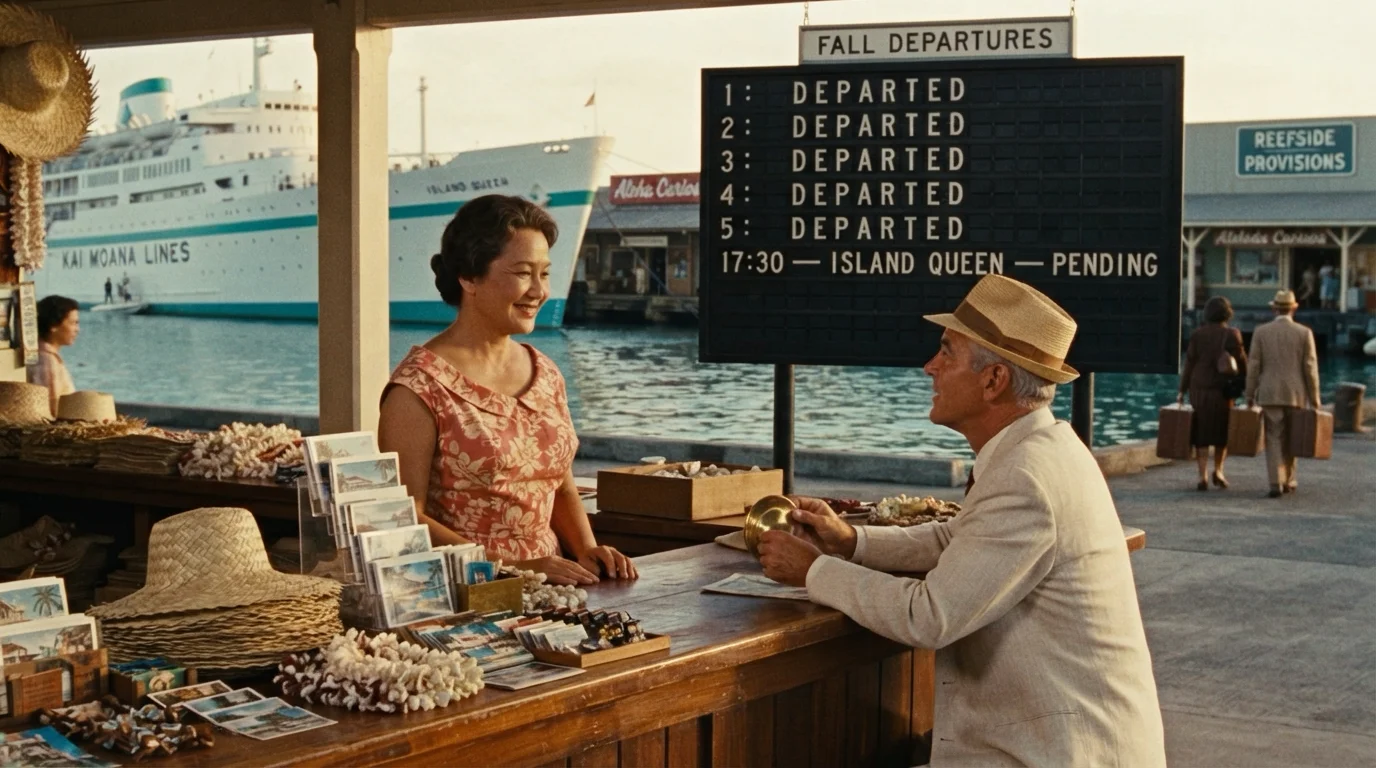
Hawaii isn’t short of visitors this year. It’s short of visitor days. More people are arriving, but they’re staying for less time, so there are fewer tourists on the islands on an average day, and fewer chances for one of them to wander into your shop.
Kauai is still clearing roads and restoring power after Hurricane Lowell, and the Hawaii Tourism Authority is asking travelers with Kauai plans to reschedule or choose another island; the July figures below predate the storm.
Below: what the latest state numbers actually say, why a shorter trip changes how a tourist picks where to shop, and the practical moves that keep a Hawaii shop easy to find before and during a visit.
What the Latest State Numbers Say About Hawaii Tourism
The state Department of Business, Economic Development and Tourism released its third-quarter 2026 forecast for the economy and the tourism industry on September 10. The latest monthly figures, still preliminary, are for July 2026; August’s are due later in September.
Slightly More Visitors Arriving, but Shorter Stays
The state expects 9.7 million visitor arrivals in 2026, an uptick of 0.9% compared with 2025. Arrivals aren’t falling. What is falling is visitor days (all the days visitors spend here, added up), which the state forecasts to decline 4.5% this year, “reflecting shorter stays.”
July shows how that works. Arrivals rose 1.1% from July 2025, but the average stay fell from 8.83 days to 7.59. On an average day in July, the statewide count of visitors on the islands was 216,319, down 13.1% from a year earlier. That’s what “fewer tourists” means here: not fewer people coming, but fewer people here on an average day.
Visitors Spend More Each Day, but the State Expects Slower Growth
Spending isn’t falling either. Visitors in July spent about $296 per person per day, up 17.1%, and total visitor spending was 1.7% higher than in July 2025. For the full year, the state forecasts visitor spending to rise 2.3% to $22.4 billion (not adjusted for rising prices).
That forecast is lower than it was in June, when the state expected arrivals to grow 1.9% and spending 4.3%.
Fewer Seats on International Flights This Fall
Airline schedules for September through November split by market. Across all markets, scheduled air seats to Hawaii are up 2.4%, with domestic seats up 6.3% and international seats down 12.7%. By market, scheduled nonstop seats are up 6.5% for the U.S. West and 4.4% for the U.S. East, and down 12.9% for Japan, 12.7% for Canada, 21.8% for Korea and 21.3% for Oceania.
These are seats on a flight schedule, not a count of visitors, and neither release gives a fall arrivals forecast by market. For a longer view of how people search for Hawaii businesses, our May 2026 search-trends data is useful background, though it predates these numbers.
Why a Shorter Trip Changes How a Tourist Picks a Shop
Fewer Days to Wander Means Fewer Lucky Finds
A long stay leaves room to stumble onto things: the gallery down a side street, the shave ice stand someone mentioned at breakfast. When the average July stay drops from almost nine days to about seven and a half, there’s less room left for the unplanned afternoon.
Less Time on the Island Leaves Less Room for Trial and Error
With fewer days, someone on a short trip has less patience for a closed door or a shop that turns out not to carry what they wanted. It makes sense that more of those choices get made from a hotel room or a phone before heading out, and that they go to the business whose details are clear. That’s reasoning, not a survey result, but it points to one priority: be the business a tourist can check quickly and trust.
Each of those days is also worth more: visitors spent about $296 per person per day in July, so there’s more riding on being the shop they pick.
How Is the Tourism Slowdown Impacting Small Businesses in Hawaii?
The slowdown is in time spent on the islands and in the wider economy’s growth, not in arrivals. The state now expects Hawaii’s economy to grow 1.3% in 2026 after adjusting for rising prices, down from 2.5% in 2025, and it trimmed that outlook from its second-quarter forecast partly because of reduced visitor days. For many small businesses across the Hawaiian Islands that depend on visitors, fewer visitor days can mean fewer people coming through the door on an ordinary day, even in a year with more arrivals.
Shops That Count on International Visitors
The picture differs by market. From January through July, arrivals from Japan were up 5.4% and arrivals from Canada were down 6.7%. The fall seat cuts above are on international routes, so a boutique, resort shop or tour desk that depends on customers from Japan, Korea, Canada or Oceania should plan with those schedules in mind, remembering that fewer seats isn’t the same as fewer visitors.
Walk-In Shops on Oahu
Oahu had 499,197 visitors in July, 3.7% fewer than in July 2025, and 104,091 on an average day, down 12.0%, while visitor spending on Oahu rose 2.8%. For a walk-in poke shop or boutique in Waikiki or elsewhere in Honolulu, those are the island-level numbers to watch until the August figures arrive. They don’t say why, and one month isn’t a trend.
Be Easy to Find in the Hours a Visitor Is Nearby
When a tourist has an afternoon and a phone, our advice comes down to three details:
- Hours that are right today. Hours are easy to set once and forget. Someone with limited time won’t risk a drive to a door that might be shut.
- Photos of the inside, not just the storefront. Show what you sell and what it’s like to walk in.
- Answers to the questions people on a trip actually ask: which languages you speak, whether you can ship purchases home, and where to park.
Our Google Business Profile field guide goes deeper on photos, attributes such as languages spoken, and where to answer common questions like parking, in its “Photos and Visual Proof”, “Services, Products, and Attributes” and “Google Posts and Ask Maps” sections. For what decides which three businesses Google shows with the map in Hawaii, see our ranking-factors report. And if you’d rather hand it off, that’s what our local search work is for.
Get Found Before the Trip Starts
Show Up in the Searches Travelers Make From Home
Plenty of trip planning happens before anyone boards a plane. A traveler on the mainland mapping out a Maui day from home, or a family choosing a Honolulu dinner spot a week ahead, is making the same decision a walk-in makes, just earlier. Pages that name your neighborhood, what you sell and who it’s for give those searches something to match.
Give Trip Planners a Reason to Add You to Their Day
A shorter trip means a tighter itinerary. Give planners a concrete reason to put you on it: a class they can book, something they can’t get at home, a time of day that’s worth the stop. Promote it plainly on your website and your Google listing, and make booking or reserving simple, so people who plan ahead can lock you in.
Keep Customers Who Live Here in the Mix
Visitors come and go; residents on Oahu and the neighbor islands are here every week. They don’t depend on flight schedules, they come back, and they can point visiting family and friends your way. As you adapt to shorter stays, make sure your listing and website speak to them too: say what’s locally made, what’s community-based, and why a resident would come back.
Our 7 local SEO tips for Hawaii businesses cover reaching local customers in more detail, including kamaʻāina offers.
Where Your Marketing Budget Does the Most Work
Slower growth isn’t a reason to stop marketing, but it’s a good reason to check where each dollar of your budget goes.
Paying for Ads vs. Showing Up in Regular Search Results
Ads put you in front of people right away and stop when the budget stops. Showing up in regular Google results and on the map without paying per click is slower to build, but it doesn’t switch off the day a payment stops. If you’d rather get found on Google Maps without running ads, time is the trade-off.
Run the Numbers for Your Shop
Our SEO vs Paid Search Comparator lets you enter your monthly budget, how many months you plan to spend it and the return you expect from ads (for example, $2.50 back for every $1 spent), then pick your main goal. It suggests how to split the budget for that goal and gives rough estimates of what each side could return over that time. It won’t make the decision for you, but it’s a quick way to test your assumptions while growth is slowing.
Shorter stays change the math for Hawaii tourism, but not the basics: be accurate, be easy to check, be worth the stop, and keep the people who live here in mind. If you’d like help with the website, listing and search side of that, our flat monthly plans are built for small Hawaii businesses.
Rodrigo Diniz
Founder & Head of Search Strategy
Founder & Head of Search Strategy at Nekko Digital with 15+ years in digital marketing and AI search optimization.